5 Simple Exercises for Seniors to Stay Active at Home
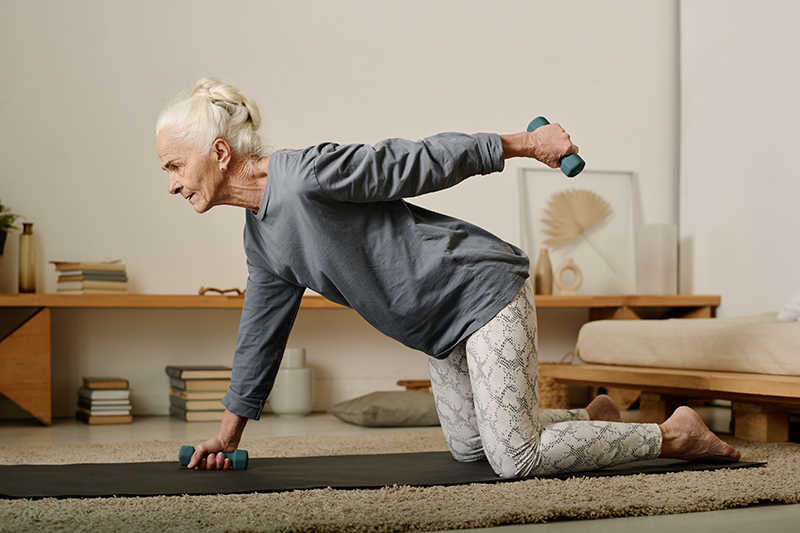
Stay active and independent at any age! Discover five safe, easy exercises seniors can do at home to improve strength, balance, and confidence. Perfect for families seeking practical ways to support their loved one's health and well-being.
5 Simple Exercises for Seniors to Stay Active at Home
Maintaining physical health becomes incredibly vital as we grow older. Movement serves as the foundation for independence, helping older adults continue doing the things they love. You do not need an expensive gym membership or complicated equipment to reap the benefits of physical activity. Your living room offers plenty of space to build strength, improve balance, and boost your overall well-being.
Many families worry about their aging loved ones losing mobility or experiencing a fall. Regular, gentle exercise directly addresses these concerns. It builds the necessary muscle tone and joint flexibility required for daily tasks, like safely navigating stairs or reaching a favorite coffee mug on a high shelf.
This guide outlines five simple exercises for seniors to stay active at home. We will cover step-by-step instructions, highlight the specific benefits of each movement, and provide essential safety tips to ensure a secure workout. You will walk away with a clear, actionable routine that you or your loved one can start using today.
The Importance of Staying Active as We Age
Physical activity acts as a powerful preventive measure against many age-related health issues. Regular movement helps manage blood pressure, improves heart health, and keeps joints lubricated. It also plays a massive role in mental health. Exercise releases endorphins, which naturally elevate mood and reduce feelings of anxiety or depression.
For seniors, the focus of exercise often shifts from high-intensity cardio to functional fitness. Functional fitness means training the body for the activities performed in daily life. When you strengthen your legs, you make it easier to get out of a chair. When you improve your balance, you drastically reduce your risk of falling.
Falls represent one of the leading causes of injury among older adults. By dedicating just a few minutes a day to targeted movements, seniors can build a physical safety net. Consistent exercise preserves muscle mass, which naturally declines as we age, keeping the body resilient and capable.
Safety First: Getting Ready to Exercise at Home
Before starting any new exercise routine, you must create a safe environment. Clear the floor of any tripping hazards like loose rugs, electrical cords, or clutter. Wear comfortable, loose-fitting clothing that allows for a full range of motion. Proper footwear is also critical. Choose supportive, non-slip athletic shoes rather than exercising in socks or slippers, which can easily slide on hard floors.
Always keep a bottle of water nearby to stay hydrated. If you feel dizzy, short of breath, or experience any sharp pain during an exercise, stop immediately. It is always better to take a break and rest than to push through pain. Finally, consult with a doctor or physical therapist before beginning this routine, especially if you are managing a chronic health condition or recovering from an injury.
Exercise 1: Chair Squats
Chair squats mimic the motion of sitting down and standing back up. This functional movement strengthens the entire lower body, making daily activities much easier to manage.
Step-by-Step Instructions
Place a sturdy, armless chair against a wall so it will not slide.
Stand directly in front of the chair with your feet shoulder-width apart.
Extend your arms straight out in front of you for balance.
Slowly bend your knees and push your hips back, lowering yourself toward the seat.
Keep your chest up and look straight ahead.
Lightly tap the seat with your bottom. Try not to sit down completely.
Push through your heels to stand back up to the starting position.
Repeat this movement 8 to 10 times.
Benefits
Chair squats are incredibly effective for building lower body strength. They target your quadriceps, hamstrings, and glutes. Stronger leg muscles provide better support for your knees and hips, reducing joint pain. This exercise also engages your core, which helps improve your overall posture.
Safety Tips
Never let your knees extend past your toes as you lower yourself down. Keep your weight shifted back into your heels. If tapping the seat without resting is too difficult at first, go ahead and sit down completely. Pause for a second, and then use your leg strength to stand back up.
Exercise 2: Wall Push-Ups
Traditional push-ups require getting down on the floor, which can be difficult or painful for many older adults. Wall push-ups offer a fantastic alternative. They provide the same upper body benefits while keeping you safely on your feet.
Step-by-Step Instructions
Stand facing a blank wall, about an arm's length away.
Place your hands flat against the wall, directly in line with your shoulders.
Keep your feet firmly planted on the ground.
Slowly bend your elbows to bring your chest closer to the wall. Keep your body in a straight line from your head to your heels.
Stop when your nose is an inch or two away from the wall.
Push against the wall to straighten your arms and return to the starting position.
Complete 10 to 15 repetitions.
Benefits
Wall push-ups strengthen your chest, shoulders, and triceps. Building upper body strength helps with everyday lifting, whether you are carrying groceries, holding a grandchild, or opening a heavy door.
Safety Tips
Make sure you perform this exercise against a solid wall, not a door that might accidentally open. Do not lock your elbows forcefully when you push back to the starting position. Keep a slight, soft bend in your arms to protect your joints.
Exercise 3: Single Leg Stand
Balance exercises are non-negotiable for older adults. The single leg stand is a highly effective, low-impact way to train your body to stay steady on its feet.
Step-by-Step Instructions
Stand behind a sturdy chair. Hold onto the backrest with both hands.
Shift your weight slightly onto your left leg.
Slowly lift your right foot off the ground. Bend your knee slightly so your foot hovers in the air.
Hold this position for 10 to 15 seconds. Keep your gaze fixed on a spot straight ahead to help you balance.
Slowly lower your right foot back to the ground.
Shift your weight to your right leg and lift your left foot.
Hold for 10 to 15 seconds.
Repeat 3 to 5 times on each leg.
Benefits
This exercise trains your stabilizing muscles and improves your spatial awareness. A better sense of balance directly translates to a lower risk of tripping or falling during normal daily activities.
Safety Tips
Only let go of the chair if you feel completely steady. If you want to challenge yourself safely, try holding on with just one hand, or just one finger, before letting go entirely. Always keep the chair within immediate grabbing distance.
Exercise 4: Seated Knee Lifts
You can perform seated knee lifts while watching television or listening to an audiobook. This exercise focuses on the core and hip flexors, which play a crucial role in walking and maintaining a healthy posture.
Step-by-Step Instructions
Sit near the edge of a sturdy chair. Keep your back straight and do not lean against the backrest.
Place your feet flat on the floor, hip-width apart.
Rest your hands on the armrests or grip the sides of the seat for stability.
Engage your abdominal muscles by pulling your belly button toward your spine.
Slowly lift your right knee toward your chest as high as comfortably possible.
Hold for a brief second at the top.
Slowly lower your right foot back to the floor with control.
Repeat the movement with your left knee.
Alternate legs until you have completed 10 lifts on each side.
Benefits
Seated knee lifts strengthen the hip flexors and lower abdominal muscles. Strong hip flexors make lifting your legs easier, which helps you step over obstacles on the ground and climb stairs without dragging your feet.
Safety Tips
Avoid slouching or rounding your back as you lift your knee. Keep your chest lifted and your shoulders pulled back. Do not use momentum to swing your leg upward; use slow, controlled muscle power instead.
Exercise 5: Heel-to-Toe Walk
The heel-to-toe walk is often used by physical therapists to assess and improve coordination. It trains your brain and body to work together to maintain balance while moving forward.
Step-by-Step Instructions
Stand near a wall or a long kitchen counter so you have something to grab if you lose your balance.
Look straight ahead, rather than down at your feet.
Place your right foot directly in front of your left foot. The heel of your right foot should touch the toes of your left foot.
Shift your weight forward onto your right foot.
Step forward with your left foot, placing the heel of your left foot directly in front of the toes of your right foot.
Continue walking in a straight line for 15 to 20 steps.
Benefits
This exercise dramatically improves balance, coordination, and walking posture. It trains your body to stabilize a narrow base of support, which makes standard walking feel much more secure.
Safety Tips
Take your time. There is no need to rush through the steps. If touching your heel directly to your toe feels too unstable, leave a small gap between your feet. Use the wall or counter for support as much as you need until you build confidence.
Building a Consistent Home Exercise Routine
Knowing how to perform these exercises is only the first step. The real benefits come from consistency. You do not need to do all five exercises every single day, but aiming for three to four days a week will yield wonderful results.
Start small. Pick two exercises and practice them for five minutes a day. Once those feel comfortable, gradually add the remaining exercises to your routine. Pairing your workout with an existing habit makes it easier to remember. For example, you could do your wall push-ups right after brushing your teeth in the morning, or complete your seated knee lifts while watching the evening news.
Encourage your loved ones to join in. Exercising together creates a wonderful bonding opportunity and provides mutual accountability. Celebrate the small victories, like standing a little taller or feeling less fatigued after a walk around the neighborhood.
Conclusion: Keep Moving Forward
Aging brings changes, but it does not have to mean a loss of independence. By incorporating these five simple exercises for seniors into your weekly routine, you actively invest in your health, strength, and longevity. Consistent, gentle movement transforms how you feel, granting you the physical freedom to enjoy your golden years to the fullest.
If you or an aging loved one could use extra support at home, you do not have to manage everything alone. Whether you need help with daily routines, mobility assistance, or compassionate companionship, professional care makes a profound difference. Visit BestCareOhio.com to explore our in-home care services. Let our dedicated team help you and your family maintain a safe, active, and joyful lifestyle right at home.